
The Difference Between Tex-Mex and New Mexican Cuisine
Southwestern cuisine covers a wide range of tastes and traditions, but few regional food identities are as enduring — or as misunderstood — as Tex-Mex and New Mexican food. They share a border and a love for chile, but culturally and culinarily, they come from different worlds.
If you’ve found your way to the Santa Fe School of Cooking, chances are you’ve already tasted the difference. But what makes these two Southwestern staples stand apart? And why does it matter?
Tex-Mex vs. New Mexican: Origins and Influences
Tex-Mex cuisine is born of the border, specifically the long stretch of land where Texas meets northern Mexico. Over time, Mexican culinary traditions blended with American ingredients and preferences: yellow cheese, ground beef, wheat flour, and a liberal use of cumin. It’s a cuisine built on cultural fusion and adaptation.
New Mexican food, on the other hand, is rooted in Indigenous and Spanish colonial influences, shaped by the agricultural and spiritual traditions of Pueblo peoples and the cuisine brought by settlers from Spain and Mexico. It’s one of the oldest continuously evolving food cultures in North America, and its recipes often reflect a deep respect for place and process. Our Native cooking classes trace this evolution with care and authenticity.
Tex-Mex is a product of migration and modernization. New Mexican cuisine is a continuation of legacy. One is defined by reinvention, the other by preservation.
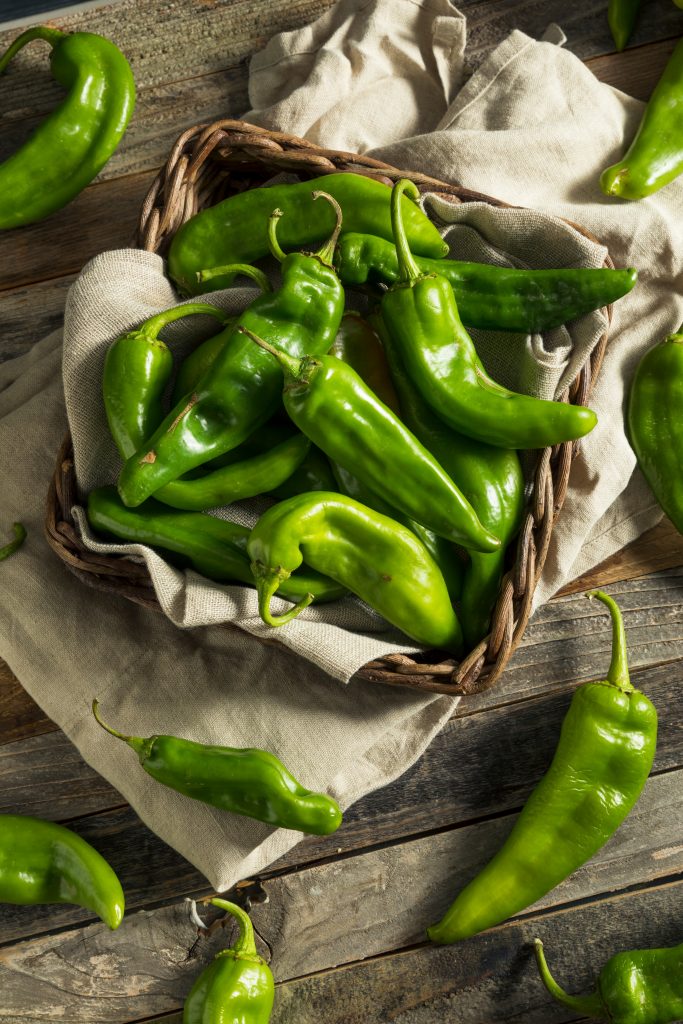
Chile vs. Jalapeño: The Key Ingredient Difference
When it comes to pepper varieties, New Mexico takes its chile seriously. Not “chili,” not just “spicy peppers” — chile, with an e, and always with intent. Hatch green and red chile are the lifeblood of New Mexican food, prized for their flavor range more than their heat index. Terroir matters here: the soil, sun, and elevation of the Hatch Valley produce something specific, something that can’t be replicated.
Tex-Mex leans heavily on the jalapeño, often pickled and used more as a sharp accent than a base flavor. Jalapeños bring brightness and a quick kick, but they rarely anchor a dish. New Mexican chile, by contrast, is often the heart of the meal — simmered into sauces, slow-roasted, and layered across entire plates. Our marketplace offers a collection of chiles that capture that depth, from smoky red to tangy green.
Enchiladas vs. Fajitas: Defining Dishes
Signature dishes tell you a lot about a cuisine’s priorities. In Tex-Mex, the fajita reigns: sizzling strips of grilled meat and peppers, wrapped in a flour tortilla. The appeal is immediate — it’s fast, flavorful, and always a hit at the table.
In New Mexican cuisine, the enchilada is more foundational. Typically stacked, smothered in red or green chile (or both, if you ask for “Christmas”), and often baked until tender, enchiladas reflect the traditional methods of the region. The ingredients are humble: corn tortillas, chile, cheese, and meat or vegetables. But the preparation is intentional and reverent. In our Classic New Mexican cooking class, you’ll learn not just the recipe, but the “why” behind each step.
Spice and Taste Profiles: A Culinary Contrast
Flavor complexity is where these cuisines branch off. Tex-Mex favors strong, sometimes simplified combinations: cumin-heavy seasoning, melted yellow cheese, sour cream, and tomato-based sauces. Flour tortillas are common, and the spice comes in quickly, often from jalapeño or hot sauce.
New Mexican food is more layered. The chile sauce takes center stage, with smoky, earthy, and slightly sweet notes depending on the variety. There’s often a fire-roasted element, and seasoning is less about bold spice and more about balance. Cumin isn’t a key player here. Instead, taste profiles build from slow-cooked meats, garlic, oregano, and, always, chile. Our Traditional New Mexican cooking classes explore these differences in depth, with a focus on authentic preparation and regional nuance.
Try It for Yourself
Taste is only the beginning. What really separates Tex-Mex from New Mexican food is tradition, history, and geography. If you’re curious to experience these distinctions firsthand, we offer both online and in-person cooking classes that dig deep into New Mexico’s food culture. Our marketplace carries many of the specialty ingredients, cookbooks, and tools you’ll need to bring the experience home.
You don’t need to choose sides in the Tex-Mex vs. New Mexican food debate. But once you’ve tasted freshly roasted Hatch chile, you might find yourself leaning in one delicious direction.